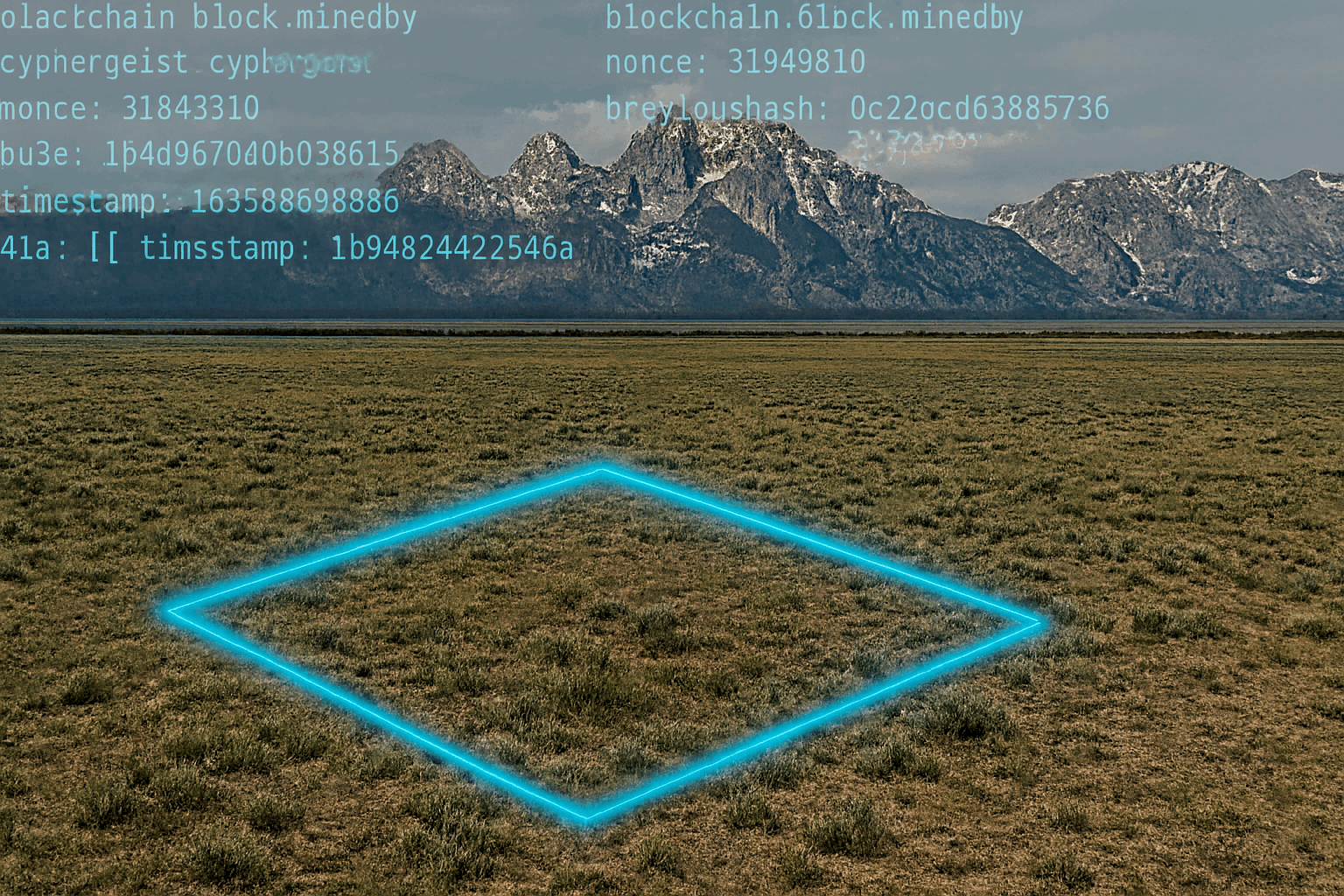
A quarter acre can be more than grass and gravel — on the blockchain, it's a stage for farms, festivals, and a new kind of ownership.
Owning land has always been the ultimate power move. From medieval kings hoarding acres to suburban dads bragging about their lawns, property has meant wealth, stability, and a seat at the table. Now blockchain is dragging that table into the digital age.Start small. Imagine a patch of raw land — a quarter acre of dirt, nothing glamorous, just enough for a food truck, a garden, a campsite, or an art installation. Suddenly that sliver of ground can be fractionalized, tokenized, and streamed into wallets around the globe.That dirt isn’t just ground anymore. It’s liquid. It’s programmable. It’s a social experiment waiting to happen — and a metaphor for how ownership itself can be rewritten.The New Liquidity of LandProperty has always been heavy, slow, and locked up in filing cabinets at county offices. Buying or selling meant agents, lawyers, title searches, endless fees — the kind of molasses that kept regular people out of the game.Tokenization flips that dynamic. Imagine slicing a parcel into thousands of digital shares. Instead of buying the whole farm, you might own a row of crops, a corner of a warehouse roof lined with solar panels, or a fraction of a condo downtown.Platforms like Lofty already sell pieces of actual houses for as little as fifty bucks. Investors vote on whether to rent, renovate, or sell, and profits flow back daily through smart contracts. It’s not just about flipping homes — it’s flipping who gets to participate.Beyond Profit: Ground With PurposeMost conversations about tokenized real estate stop at yields. The real shift comes when the land carries an ethos bigger than money.Picture a community crowdfunding a small lot. Instead of maximizing rent, they could turn it into a co-op farm. Or maybe it could become a campsite for weekend nomads, a sculpture park, or a regenerative green space. The value isn’t just cash — it’s food, culture, and community. And every token holder can see where the resources go.This isn’t just hopium vapor — CityDAO in Wyoming literally bought land and let members argue over its use. The debates were messy — fences, taxes, zoning — but the fact that people wanted to co-own dirt shows how hungry communities are for alternatives to landlord capitalism.The Legal Reality CheckOf course, reality still bites. County clerks don’t accept Ethereum. When you buy a “land token,” you’re not buying the parcel itself — you’re buying into a company or trust that holds the deed. That’s the legal bridge.It works, but it’s awkward. If you sell your token, you’re really offloading your stake in that entity. Local law still demands paper deeds, not Discord votes. Taxes, zoning, insurance, liability — all the boring but essential machinery of ownership — still applies.Even the Aspen St. Regis resort, one of the first U.S. properties to tokenize, had to run its sale through a holding company. Buyers didn’t get a slice of the lodge, they got digital shares in the corporate shell. Proof that the concept isn’t just theory — but also that the old system hasn’t caught up.And regulators are circling. In the U.S., tokens tied to income-producing assets usually count as securities. That means SEC rules, accredited investor requirements, disclosures — all the hoops startups love to ignore until a subpoena shows up. Blockchain may move fast, but property law is ancient. The clash between code and courthouse is the choke point.The Big SignalAnd yet momentum is building. Trad finance is already tipping its hand. BlackRock and Fidelity now run Bitcoin ETFs, JPMorgan is experimenting with tokenized deposits, and Citi is piloting on-chain settlement. These aren’t fringe players — they’re the most conservative institutions on the planet, and they’re wiring blockchain into their systems. If Wall Street is comfortable tokenizing bonds and equities, extending it to real estate isn’t far-fetched.Governments are moving too. Wyoming’s Teton and Carbon counties worked with Medici Land Governance to put decades of property records on blockchain registries, while the state passed laws defining digital tokens as property. At the federal level, Congress passed the GENIUS Act for stablecoins and advanced the CLARITY Act to define digital assets. Even the White House has called for frameworks that support tokenization of real-world assets. Deeds still dominate, but between Wall Street and Washington, the rails are being laid.The Quarter Acre as MetaphorWhy a quarter acre? Because it’s humble. Not a metaverse skyscraper or a luxury condo. Just enough ground to matter, small enough to experiment with.It can grow thousands of pounds of food a year.It could host a solar microgrid for a neighborhood.It could become a pop-up skate spot, a neighborhood garden, or a temporary venue.Raw land is the blank canvas, but the same logic stretches to everything else — apartments, condos, even luxury hotels. If a single patch of soil can become programmable property, then any building could too — turning ownership from fences into futures.What Comes NextThe roadmap isn’t smooth. We still need:Legal frameworks that sync tokens with deeds.Governance models so DAOs don’t implode in infighting.Markets and liquidity so selling a land token doesn’t feel like pawning your bike.Insurance and safety nets so communities aren’t left exposed when things go wrong.But those hurdles are exactly what makes it exciting. Land has always been static. Blockchain is shaking it loose, making it social, transparent, weird, and alive.In the old world, a quarter acre was just dirt. In the new world, it could be an income stream, a festival ground, a community kitchen, a skate spot, or an outdoor cinema. It could be the most punk thing you can do with property: take it out of the hands of landlords and hedge funds, and put it back in the hands of communities.So the real question is this: if blockchain can make a patch of dirt liquid, programmable, and collective — will tokenizing land actually change ownership forever, or just remix the same old power structures?